

Tree Removal in Plano, TX
Safe, careful removals by an insured crew, backed by an ISA-certified arborist. Written price before any saw starts.
- ISA CertifiedArborist #TX-4334A (opens in a new tab)
- Fully InsuredProof on Request
- Written QuoteBefore Work Starts
- Cleaner ThanWe Found It
When a tree has to come down
Removal is the last answer, not the first. An independent ISA Certified Arborist checks whether the tree can be saved. When it can’t, these are the usual reasons:
- Dead or dying, with brittle limbs
- Leaning toward the house or driveway
- Split trunk or major storm damage
- Roots lifting the slab, driveway or fence
- Growing into the roofline or power lines

“They get the job done quickly, clean up any mess and their pricing is fair.”
Christine B., Google review
Most removals are assessed by Taylor Guynes, an independent ISA Certified Arborist #TX-4334A (opens in a new tab). Meet Taylor.
The Eagle Tree Way
1
Expert assessment
We look at the tree, the house and what’s around it.
2
Written price
One price on paper. No surprise add-ons.
3
Careful removal
Sectioned down with ropes and rigging in tight spaces.
4
Haul away & clean up
Wood and debris gone, yard raked and blown.
Included in every removal
- Arborist assessment when required
- Written quote
- Rigging to protect your roof, fence and lawn
- Wood and debris hauled away
- Final rake and blow
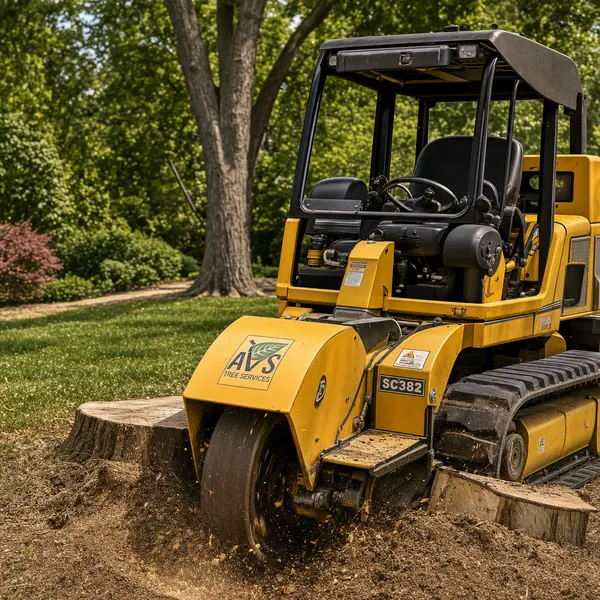
Specialty removals
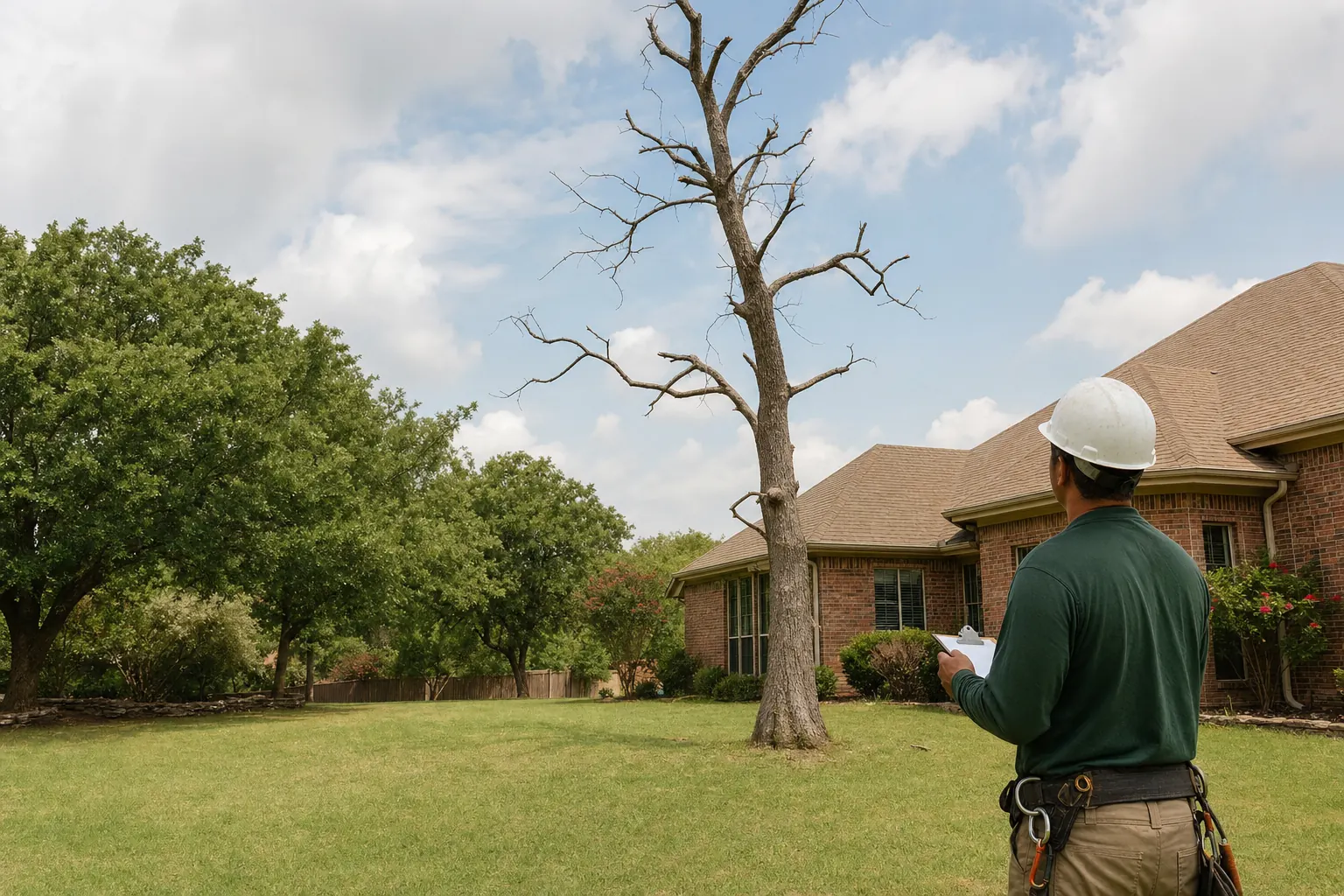
Dead Tree Removal in Plano, TX
Dead tree removal in Plano, TX, handled with care because dead wood is brittle. Arborist check, insured crew, written price first. Call…
Read more
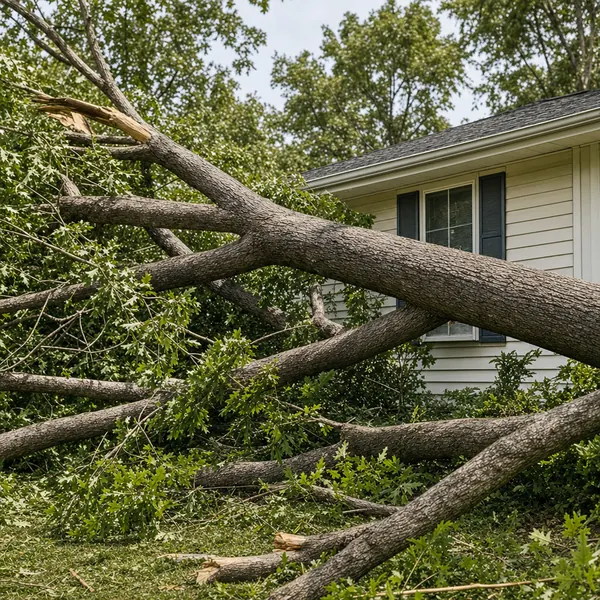
Emergency Tree Removal in Plano, TX
Emergency tree removal in Plano, TX when a tree or big limb lands on your house, car or drive. Priority scheduling after…
Read more
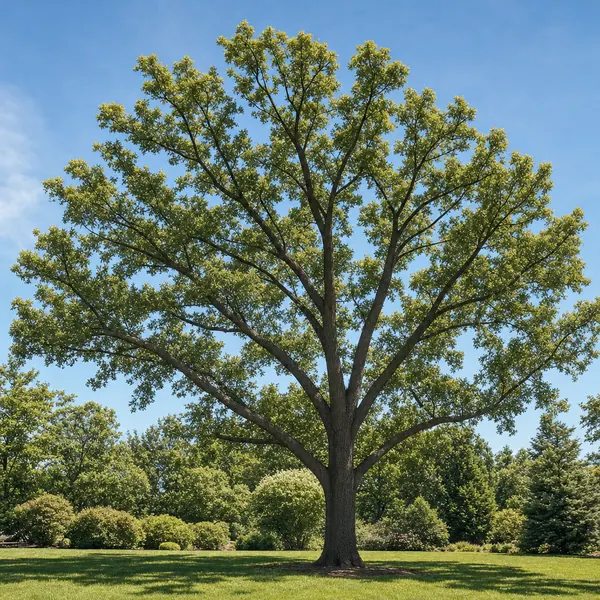
Large Tree Removal in Plano, TX
Large tree removal in Plano, TX for big oaks, pecans and elms near homes. Sectioned down with rigging by an insured crew.…
Read moreTree removal in Plano, done the careful way
Most Plano lots put big trees close to something that matters: the roof, the fence, the neighbor’s yard or a power line. That’s why we take trees down in sections, lowering each piece on ropes instead of dropping the whole tree. It takes more skill and more rigging, and it’s how you keep a removal from turning into a roof repair.
When it’s needed, our ISA-certified arborist (opens in a new tab) looks at the tree first. Sometimes a tree that looks lost can be saved with pruning, crown reduction or cabling, and we’ll tell you if that’s the case. When removal is the safer call, you get the reason and the price in writing.
Every crew is insured, and we’ll send you the certificate before work starts. When the tree is down, we haul the wood and debris away and leave the yard cleaner than we found it. If you want the stump gone too, we can grind it on the same visit.
Removing trees in Plano and Collin County
Plano sits on heavy, alkaline clay that swells when it’s wet and shrinks hard in a dry August. That movement is rough on roots. Trees that were planted close to the slab years ago can lose anchoring on one side, and we see more leaners and root problems after a long dry spell followed by a soaking rain. When we assess a tree for removal, we look at the soil and the root zone, not just the canopy.
The trees we take down most often here are the ones you’d guess. Bradford pears that split in a spring storm. Older pecans with big dead limbs. Red oaks and live oaks lost to oak wilt (opens in a new tab) or decline. Silver maples and other short-lived trees planted for quick shade when the neighborhood was new and now too big for the lot. Each one comes apart differently, and that shapes how we rig it.
If the tree is a live oak or red oak and it’s healthy enough to wait, we may suggest scheduling cuts outside February through June, which Texas A&M Forest Service (opens in a new tab) recommends to reduce oak wilt spread to nearby oaks. If your home is in an HOA, check with your HOA about any replacement or approval rules before the tree comes down.
Save it or take it down?
We’d rather save a tree than cut it, and a good share of the trees people call about can stay. Here’s roughly how that call shakes out on a walk-through.
Usually worth saving
- A few dead or broken limbs on an otherwise full, green canopy
- A tree too close to the roof that can be cleared with pruning or crown reduction
- A sound tree with one weak fork that cabling can support
- Minor surface root issues that can be managed
- Storm damage limited to smaller branches
Usually time to remove
- Dead or mostly dead, with bark falling away
- A trunk split down through the main union
- Serious decay at the base or in the root flare
- A new or worsening lean with heaving soil on one side
- Confirmed oak wilt in a tree that is already declining
What affects the price of tree removal
No two removals cost the same, because no two trees sit in the same spot. These are the things that move the number up or down.
- Size of the tree. Taller, wider trees mean more cuts, more wood to handle and more time on the job.
- What’s underneath it. A tree over a roof, pool or fence has to come down in small pieces on ropes. Open ground lets us work faster.
- Access. A wide gate and a clear path let equipment in. A narrow side yard means more carrying by hand.
- Condition of the wood. Dead and decayed trees can be brittle and unpredictable, so they’re climbed and rigged with extra care.
- Power lines nearby. Limbs tangled in service lines change how the tree can be worked and may need coordination first.
- Stump and wood options. Grinding the stump or leaving cut firewood are add-ons you choose, priced separately.
After we see the tree, you get one written price that spells out what’s included. If something changes on the day, we talk to you before doing anything that would change that number.
What to expect on removal day
- Arrival and walk-around. The crew lead confirms which tree is coming out and points out anything you asked us to protect.
- Setting up the drop zone. We lay out ropes, set rigging points and keep people and pets clear of the work area.
- Taking it down in sections. A climber works from the top down, lowering limbs and trunk pieces to the ground crew.
- Chipping and hauling. Brush goes through the chipper and logs are loaded out as we go.
- Final clean up. The yard is raked and blown, and we walk it with you before we leave.
How to get ready
- Move cars out of the driveway and away from the tree
- Bring pets inside and keep kids indoors while we work
- Unlock gates and let us know gate widths ahead of time
- Move patio furniture, grills and pots out of the drop zone
- Give your neighbors a heads up if the tree is near their fence
Tree removal questions
How much does tree removal cost in Plano?
It depends on the size of the tree, how close it is to the house or lines, and how easy it is to reach. After an independent ISA Certified Arborist sees the tree, you get one price in writing, with no surprise add-ons.
Do I need a permit to remove a tree in Plano?
It depends on where the tree is and the rules that apply to your property, including HOA rules. Ask us during the walk-through and we’ll tell you what we know and who to check with before work starts.
Can you remove a tree close to my house?
Yes. Tight spots are where careful removal matters most. We take the tree down in sections and lower each piece with ropes and rigging to protect your roof, fence and lawn.
Do you grind the stump too?
We can. Stump grinding is quoted separately so you can choose, and it can usually be done on the same visit.
How long does a tree removal take?
A small or medium tree in an open yard is often done in part of a day. A big tree over a roof, with every piece lowered on ropes, can take a full day or longer. We’ll give you a fair idea when we quote it.
Do I need to be home on removal day?
Not always. If the gate is unlocked, pets are inside and the cars are moved, we can work while you’re out. We do like to walk the job with you first so we agree on exactly what’s coming down.
What happens to the wood?
It’s hauled away with the rest of the debris unless you ask us to leave some. If you want rounds cut to fireplace length and stacked, tell us before we start so it’s in the quote.
My neighbor’s tree is the problem. Can you remove it?
We can only remove a tree with the owner’s permission. If it’s your neighbor’s tree, the best first step is a friendly conversation. We’re glad to look at it with both of you and explain what we see.